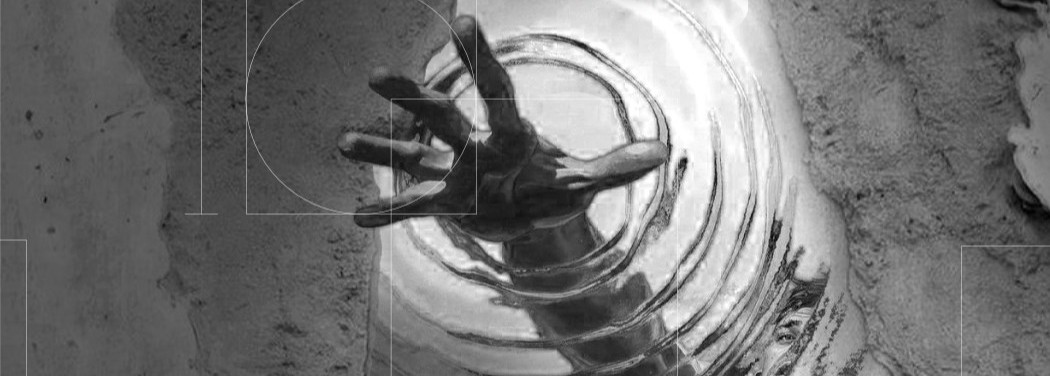
ARCHITECTURE: HOW DO WE THINK?
"The mind of the past is to be used, not worshipped."
Ralph Waldo Emerson, The American Scholar
Architecture has become a violent echo chamber of institutional propaganda.
The study and practice of architecture is an ever-expanding field layered with complexity, philosophy, engineering, culture, and psychology. Yet despite this apparent depth, much contemporary architecture exists within a perpetual cycle of inherited thought. We analyse precedents built upon precedents built upon precedents, endlessly rearranging fragments of the past whilst claiming innovation.
Architects no longer create movements; they refine existing ones. Parametricism refines Modernism. Minimalism refines industrialism. Neo-traditionalism refines classicism. Even “radical” architecture today is often just historical theory repackaged in contemporary aesthetics.

PRECEDENTS MATTER
The greatest architects in history did not reject the past; they metabolized it. Architecture cannot progress through ignorance, because ignoring history is to misunderstand the conditions that produce the present. Precedent is not a problem. Dependency is.
Precedents should function as foundations for observation, imagination, and lived experience — not as intellectual cages that determine in advance what architecture is allowed to become. History should act as compost, not constraint; as material for transformation, not a script for repetition.
The crisis begins when architecture stops using precedent as a lens through which to understand the world and instead begins using it as a replacement for seeing the world at all. When architecture becomes self-referential — analysing architecture through architecture alone — it slowly detaches from the lived reality it claims to serve. This is where thinking becomes reproduction.
THE ACTIVE SOUL.
American philosopher Ralph Waldo Emerson described this condition almost two centuries ago through his idea of “Man Thinking.” Emerson argued that society becomes weaker when individuals stop thinking independently and instead become consumers of inherited thought. Books, history and tradition were never meant to dominate the human mind, only guide it.
"The one thing in the world, of value, is the active soul."
Ralph Waldo Emerson, The American Scholar
For Emerson, this was not a poetic abstraction but a warning. The active soul is the mind that does not remain inside inherited systems of knowledge but moves through them — transforming what it receives into something newly seen, newly understood, and newly made. The scholar, in his ideal form, does not repeat the past; he re-animates it through direct encounter with the world.
When this activity collapses, the thinker becomes, in Emerson’s terms, “a mere thinker, or, still worse, the parrot of other men’s thinking.” Knowledge persists outwardly, but it is no longer alive inwardly. It no longer originates in experience; it circulates as a citation.

Architecture has forgotten the active soul.
Architecture no longer invents.
It optimizes.
Instead of engaging directly with the complexity of the world — its material conditions, its emotional realities, its social intensities, its spatial unpredictability — architecture increasingly mediates itself through systems of validation that already exist. Precedent becomes authority. Theory becomes boundary. Representation replaces encounters.
THE DOMINANCE OF THEORY
Architectural theory increasingly exists within itself.
Architecture is now often discussed through architecture written by architects, analysing architecture written by other architects. The discipline has become self-referential to the point of detachment from the very condition it is meant to engage - human existence & experience. In this closed loop, architecture risks becoming less a practice of building and more a system of internal commentary.
Spaces are frequently generated not from lived reality, but from theoretical frameworks that precede experience. Instead of emerging from direct engagement with how people move, feel, gather, hesitate, or inhabit space, architecture is often organised around narratives that exist primarily on paper — concepts that must be explained before they are ever encountered. The result is architecture that photographs better than it feels.
We built an intellectual culture where being conceptually impressive matters more than creating environments that genuinely move people. And yet humans do not experience architecture academically.
THE SOUL WE LOST
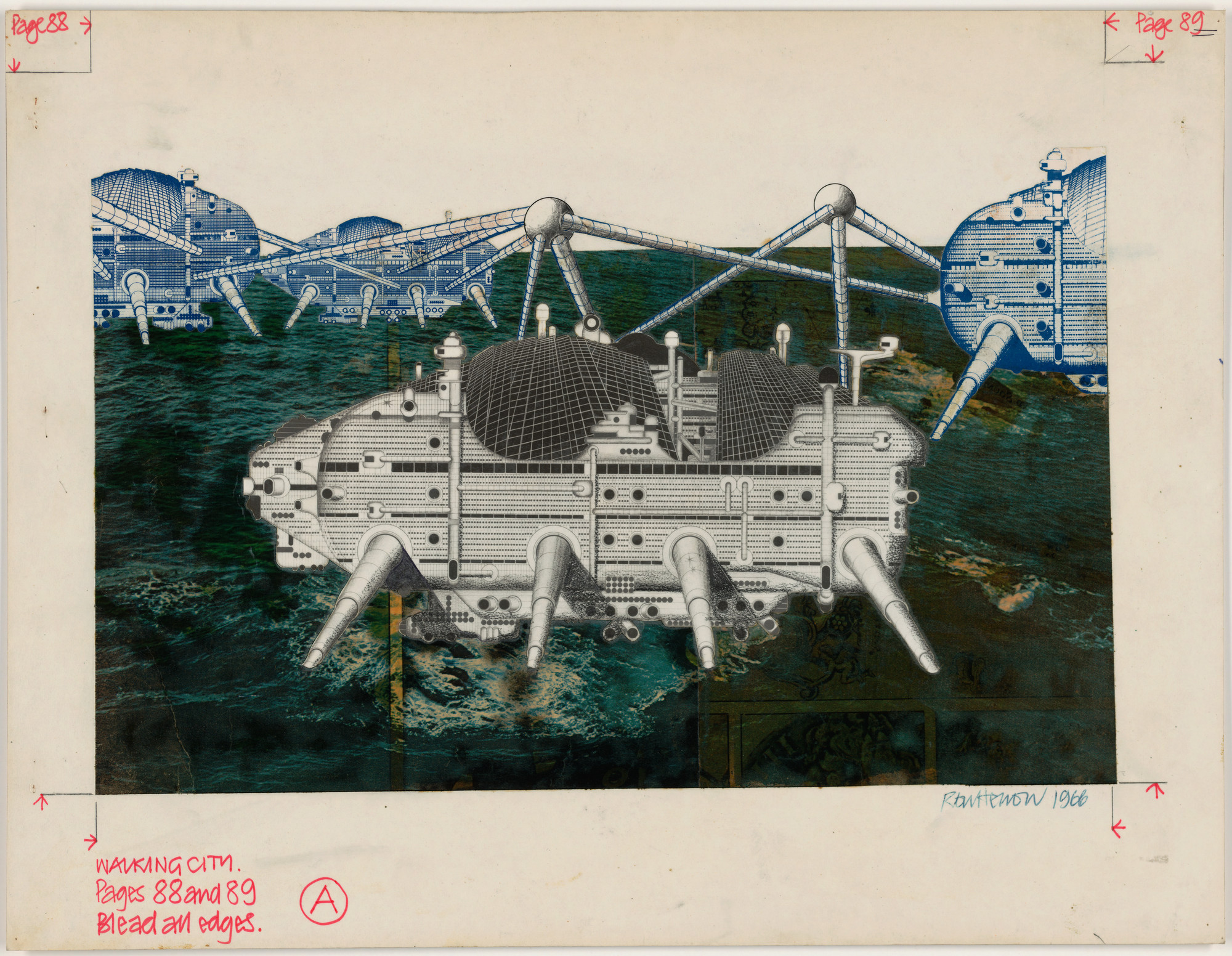
Architecture was once capable of dreaming beyond itself.
In the 1960s, groups like Archigram understood that architecture was not a fixed system to be preserved, but a platform for speculation — a field for constructing entirely new ways of living. Their proposals were deliberately excessive, unstable, and often impossible: Walking City, Plug-In City, Instant City, inflatable environments, mobile megastructures. Projects that rejected permanence in favour of transformation. But this was not naïveté. It was a methodological refusal of limitation.
Archigram recognised that architecture advances through imagination before it is constrained by practicality. They treated speculation not as fantasy, but as a testing ground for cultural possibility — a way of exposing how rigid contemporary assumptions about dwelling, infrastructure, and mobility were.
THE FUTURE
The architect should not be a historian for arranging fragments of dead movements. The architect should be an active soul. Someone capable of producing spaces that have never psychologically existed before. Someone willing to create architecture that may initially feel uncomfortable, excessive, irrational, or even absurd. Because humanity does not progress through imitation. It progresses through divergence.
The future of architecture will not emerge from endlessly refining the intellectual systems of the twentieth century. Nor from endlessly abstracting historical languages into cleaner, safer, and more marketable forms. It will emerge from people willing to think independently again. People willing to prioritise experience over doctrine, emotion over optimisation and imagination over institutional approval. Architecture should not exist merely as an archive of inherited thought. It should exist as evidence that humanity is still capable of imagining something new. The role of architecture is not simply to remember the world - It is to advance it.